Each year, National Reconciliation Week invites all Australians to learn about our shared histories, cultures and achievements, and to consider how each of us contributes to reconciliation in our everyday live.
It requires us all to listen, understand and face our shared history so we can move forward together.
There are, of course, many ways to do this but this week at Murawin we encouraged our team to spend time on Country and engage with and/or learn about the places we live, work and play. On the first day of NRW we got together virtually to share as a group.
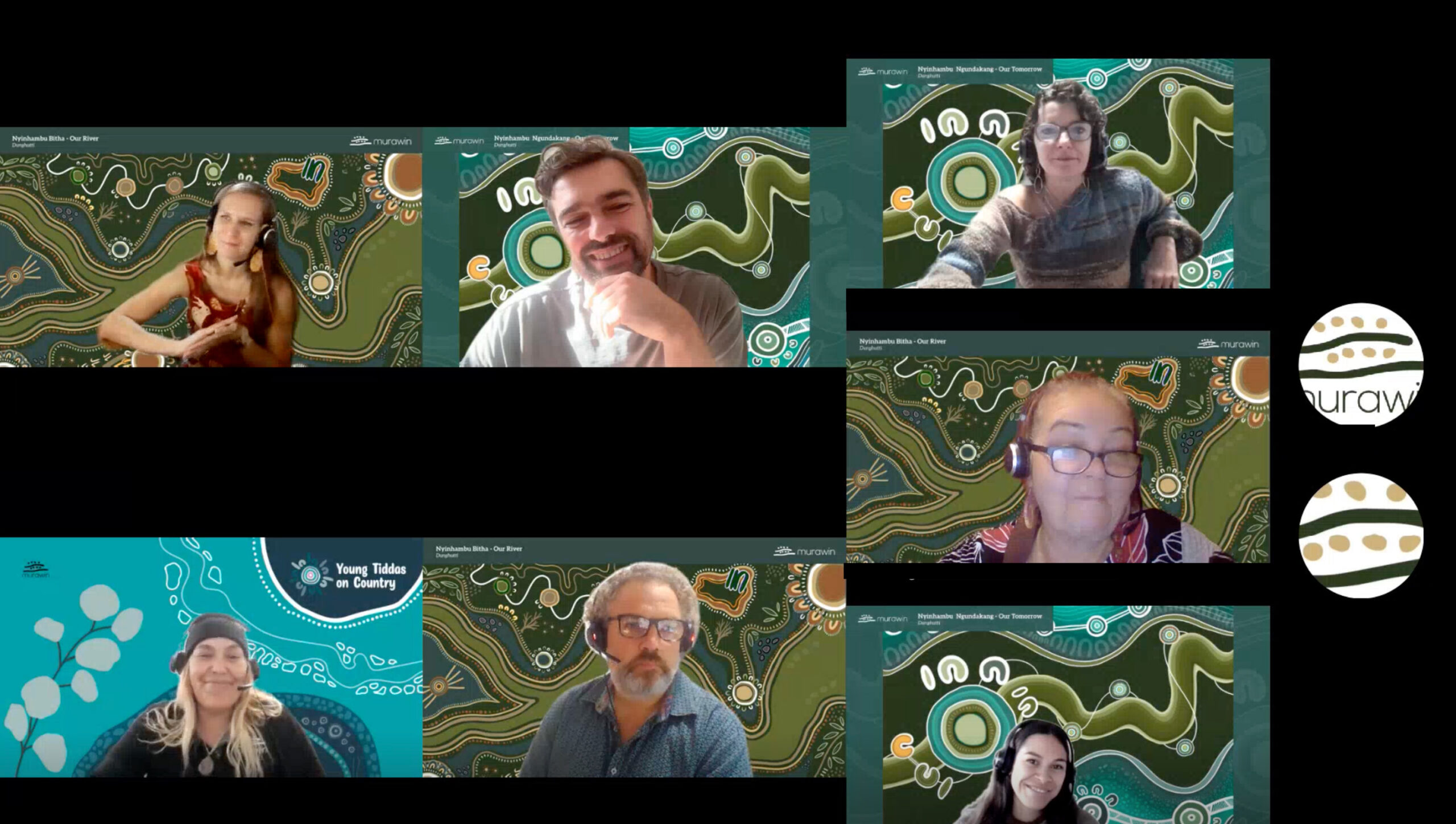
From those with deep cultural connection and knowledge of place, to those beginning or continuing their learning journey, what follows is a collection of our teams reflections. Together, they highlight the diversity of Countries our team is connected to, and the many ways we continue to learn from one another.
It’s about being present, being respectful, and being All In, wherever we are.
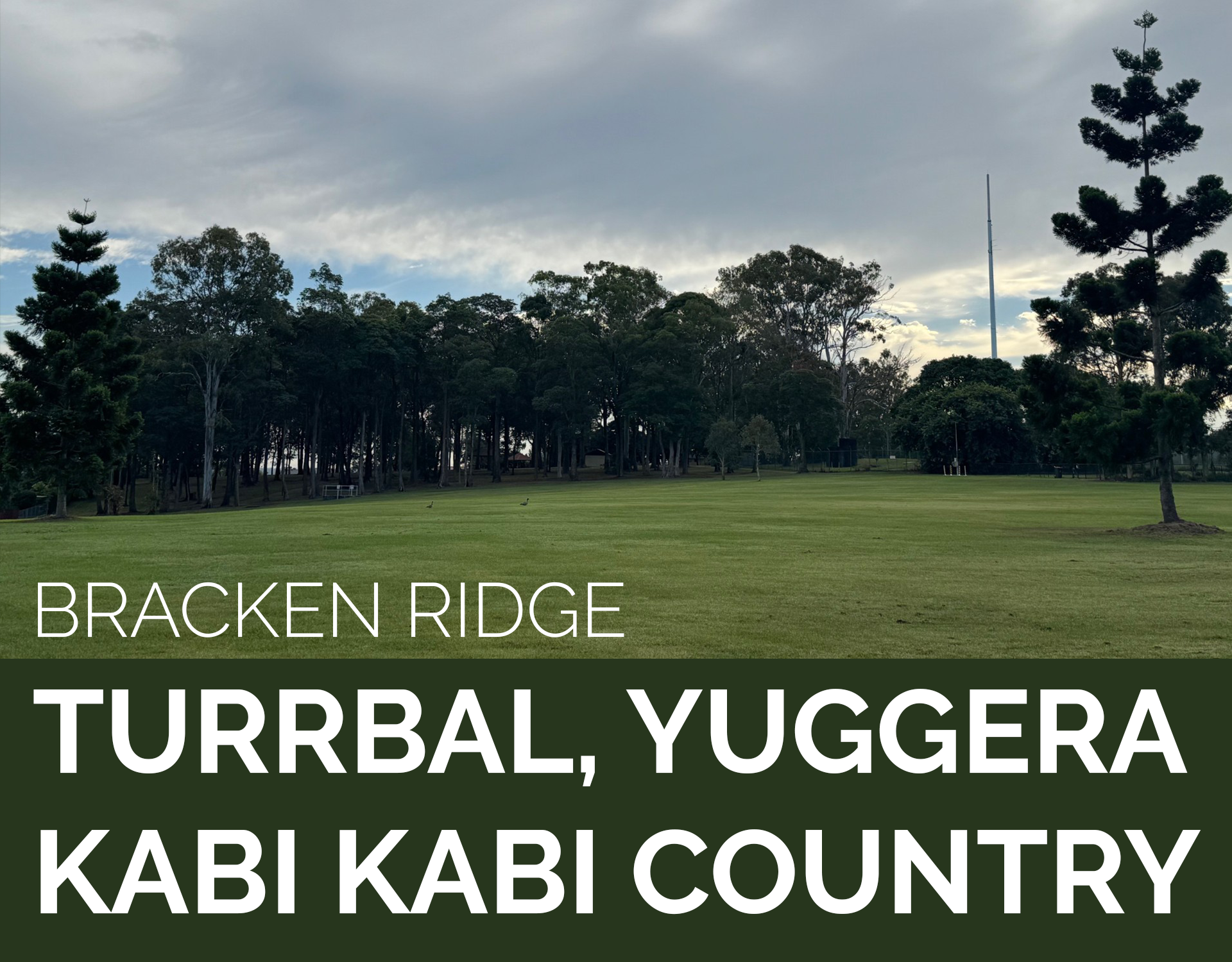
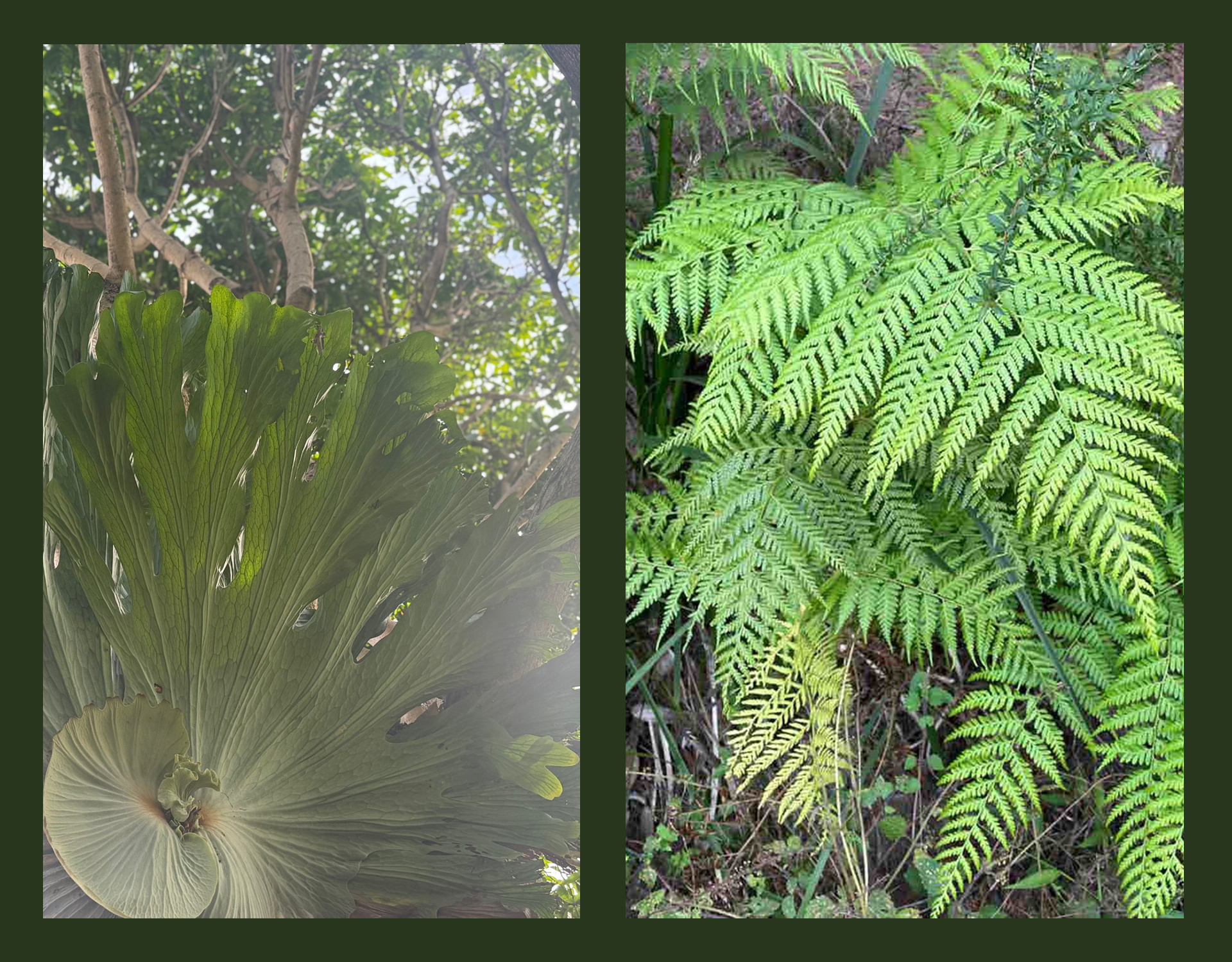
I’m based in Bracken Ridge on the northside of Meanjin (Brisbane), photos below. The Traditional Custodians of this area are closely neighbouring, so I always pay my respects to the Turrbal, Yuggera and Kabi Kabi peoples, and I’m always mindful that this is Country with long and continuing stories well beyond the contemporary suburb boundaries I know today.
Through recent yarns with local Elders I’ve been listening to their stories and histories and there have been a couple of elements that stuck with me. One that stayed with me was the Black Duck, referred to by the Elders as the Umbarra bird. It has a long history here and is often featured in our kid’s school activities. The second is the Bracken fern, an Australian native plant that was so abundant in this area that it triggered the Western name for our suburb, Bracken Ridge.
This place is special to me and to our family. My in‑laws have lived here for 5 generations: my husband’s great‑grandmother lived here, his nan still lives here, his parents raised him here, and now we’re raising our kids here too.
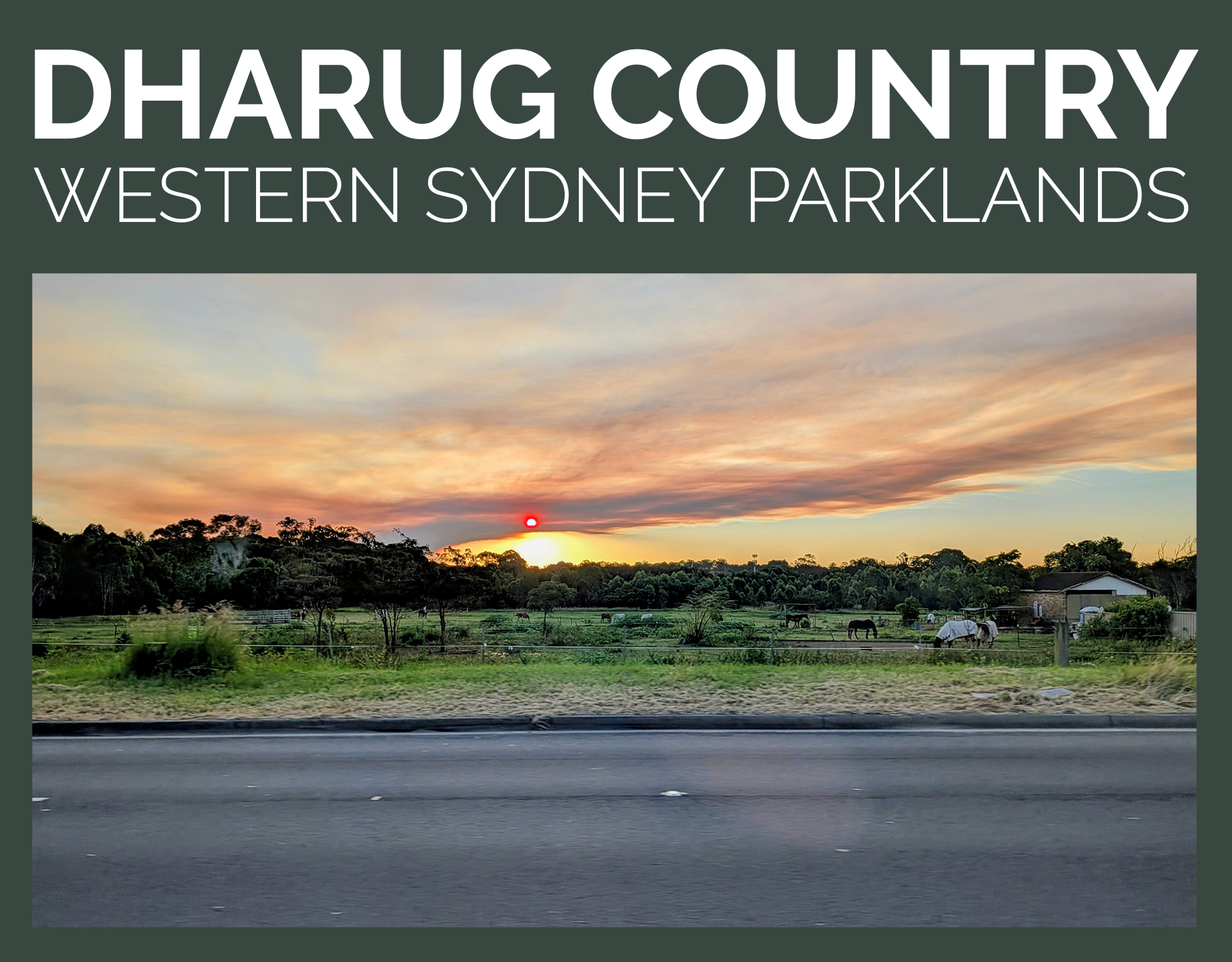
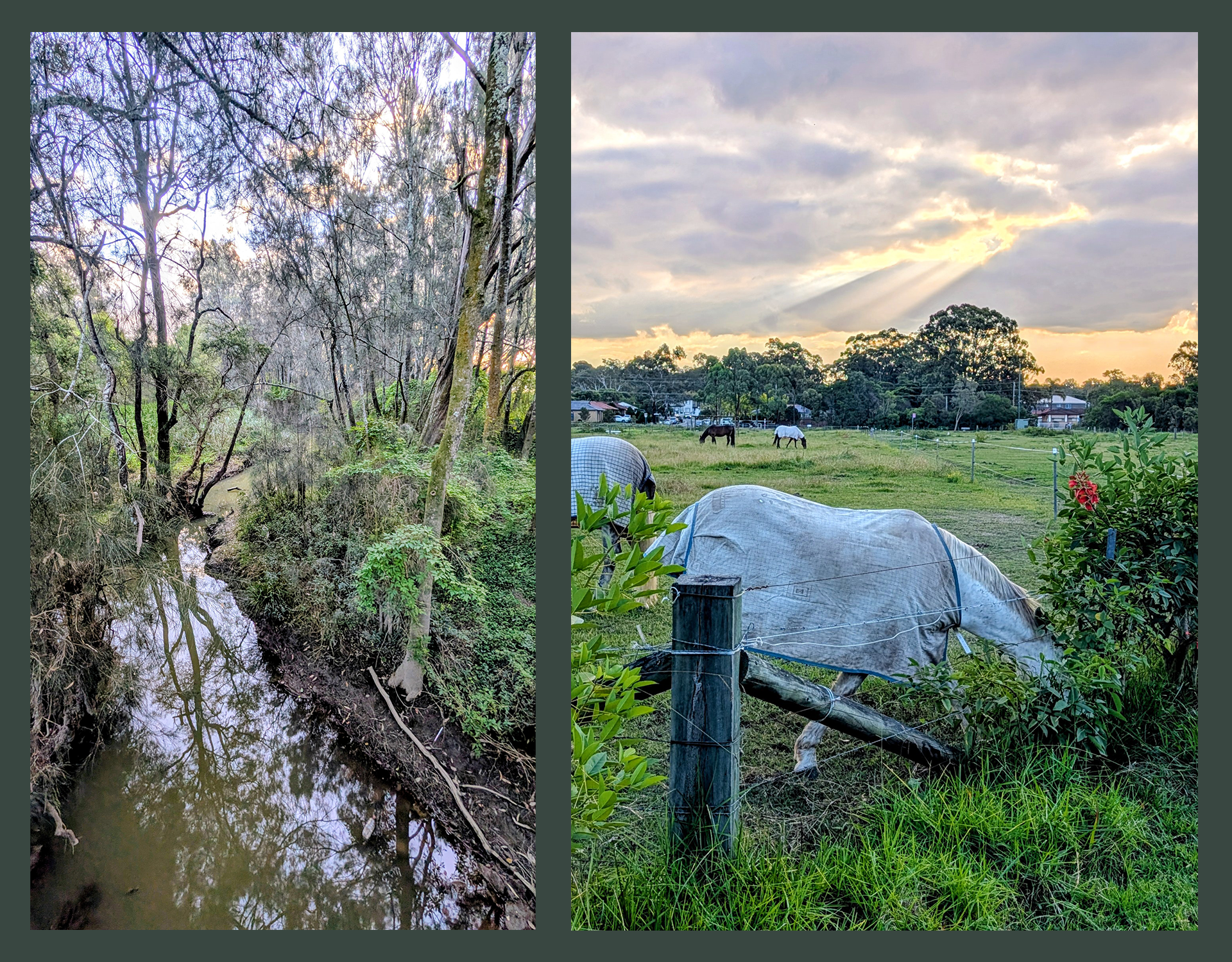
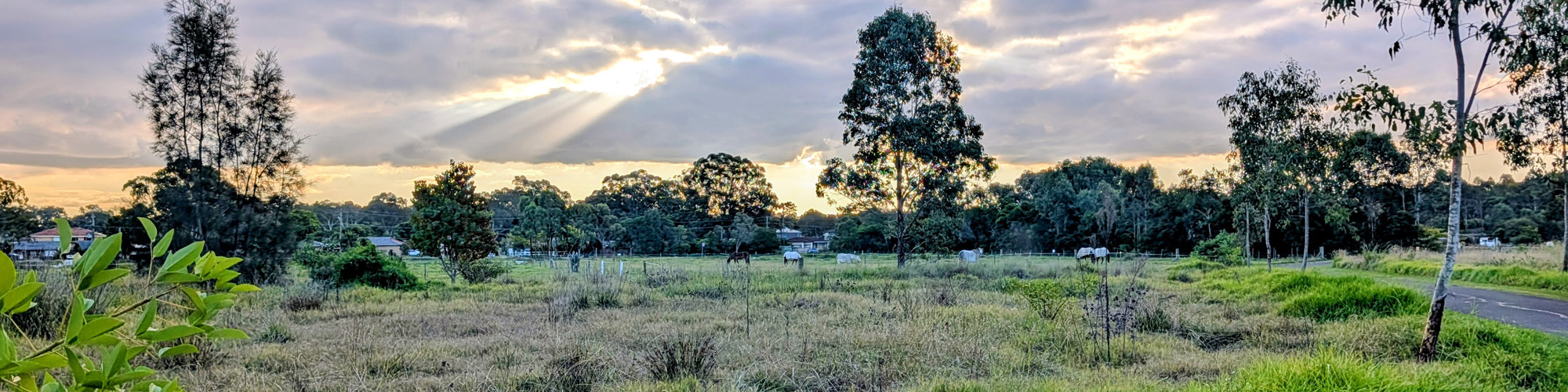
This is the Western Sydney Parklands at sunset. It stretches over 27kms in the Blacktown, Fairfield and Liverpool areas, with plenty of walking/riding tracks to explore as well as parks, a creek, BBQ areas and horse agistments and right near the beautiful Nurragingy Reserve. One of the shorter walking loops close to home is the Binyang Matta trail which means Place of Birds in Dharug language. I’ve been lucky to see kookaburras, swift parrots, red belly black snake, fox and white deer! (my husband didn’t believe me). It’s a pretty special space and sometimes you forget it’s in a growing suburban area and I’m lucky to say one of the many entrance ways to this is at the end of my street.
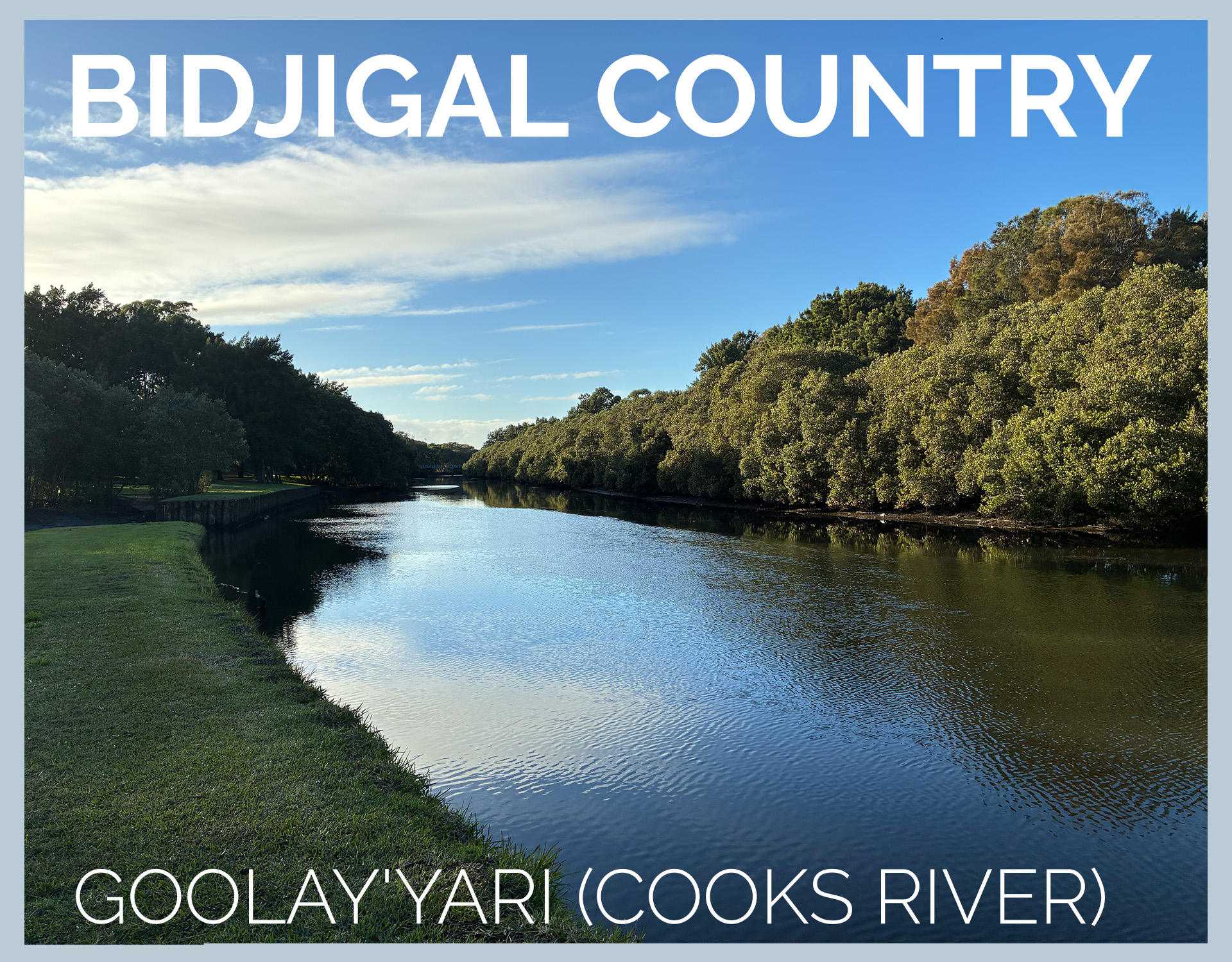
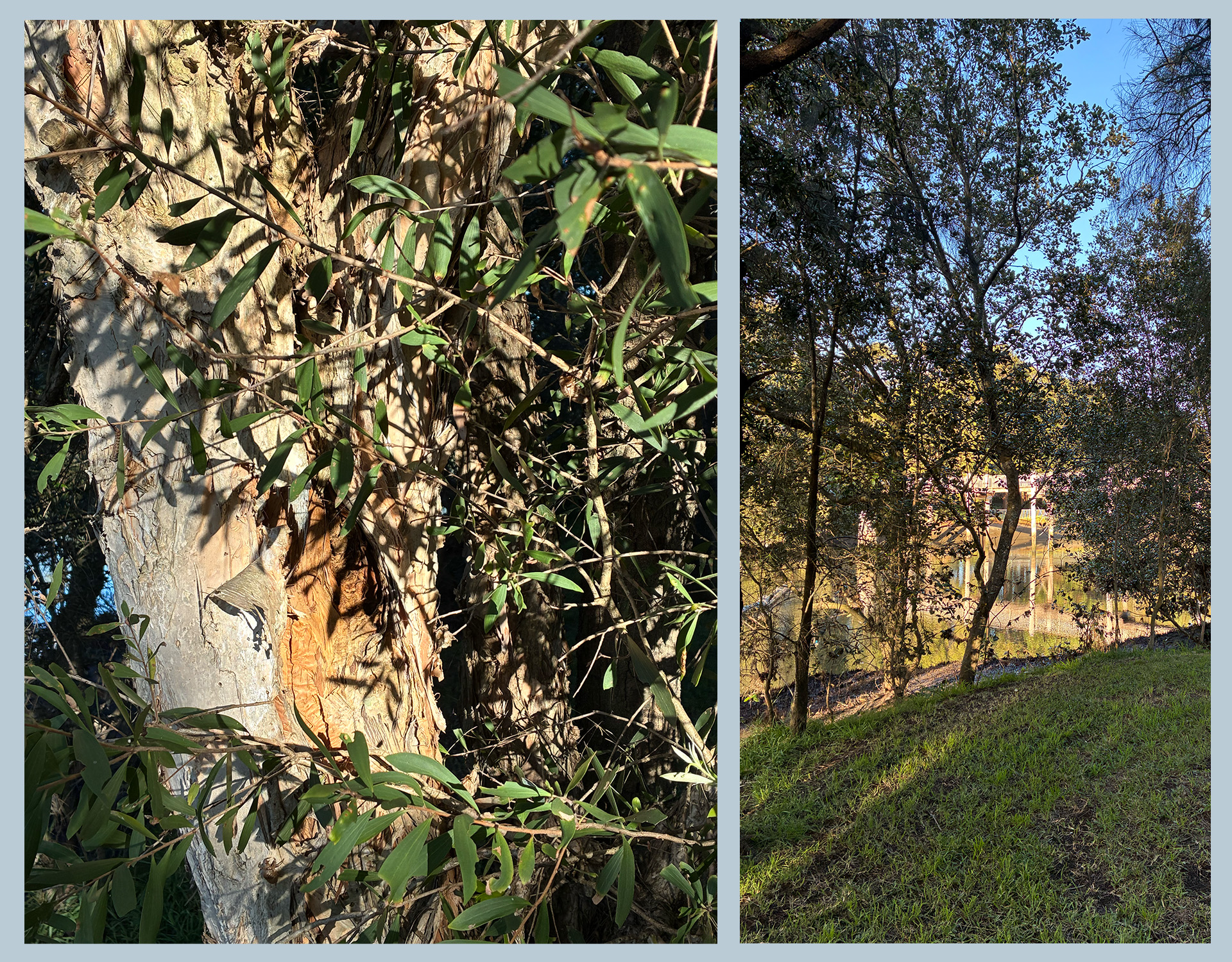
I have recently moved back to the area close to Goolay’yari (Cooks River) and had been here for many years before. I only learnt the original name for it recently, which means place of the pelican dreaming. There is a proposal to rename it but it is not official yet.
I have spent many hours bike riding the tracks along the river, both by myself and now with my kids and we always see pelicans. It’s amazing that the name still rings true after the river has gone through so many changes. It was once one of the most polluted waterways in the country but after much rehabilitation is coming back to life. I look forward to being able to raise my kids close by this special place.
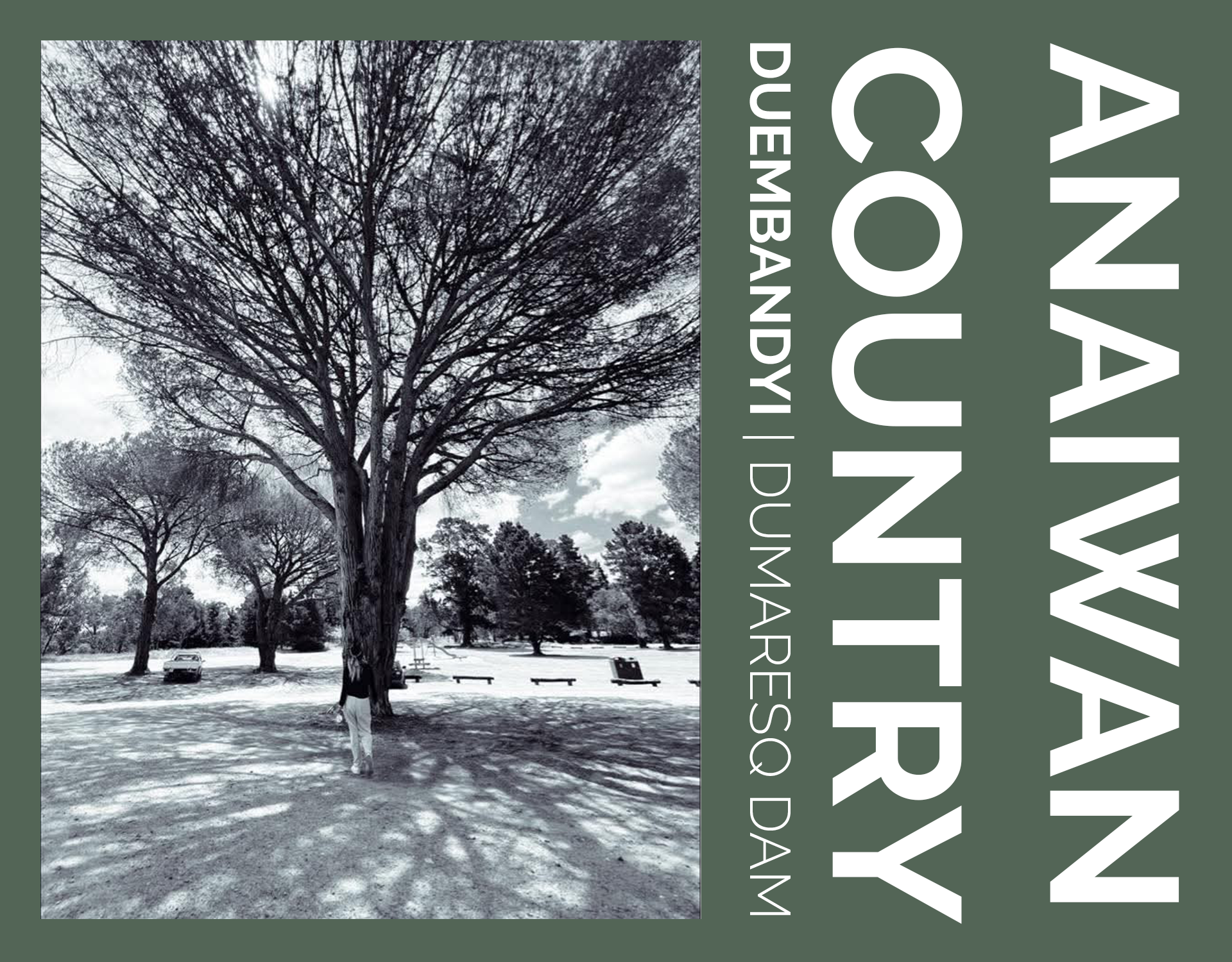
This is Anaiwan Country.
Community members know this place as Dumaresq Dam, but to the Anaiwan people of Armidale, its known as Duembandyi. This place holds a cultural significance to the Anaiwan people, especially the men.
Dumaresq Dam, is based at the bottom of Mount Duval, which is also know as “Duembandyi”. This mountain holds ancestrial knowledge that’s been passed down through the patrichal line called, “Men’s business”.
The tree that I am admiring is one of the oldest tree’s in the area, It’s a reminder of those who came before us, and the ones we leave behind.
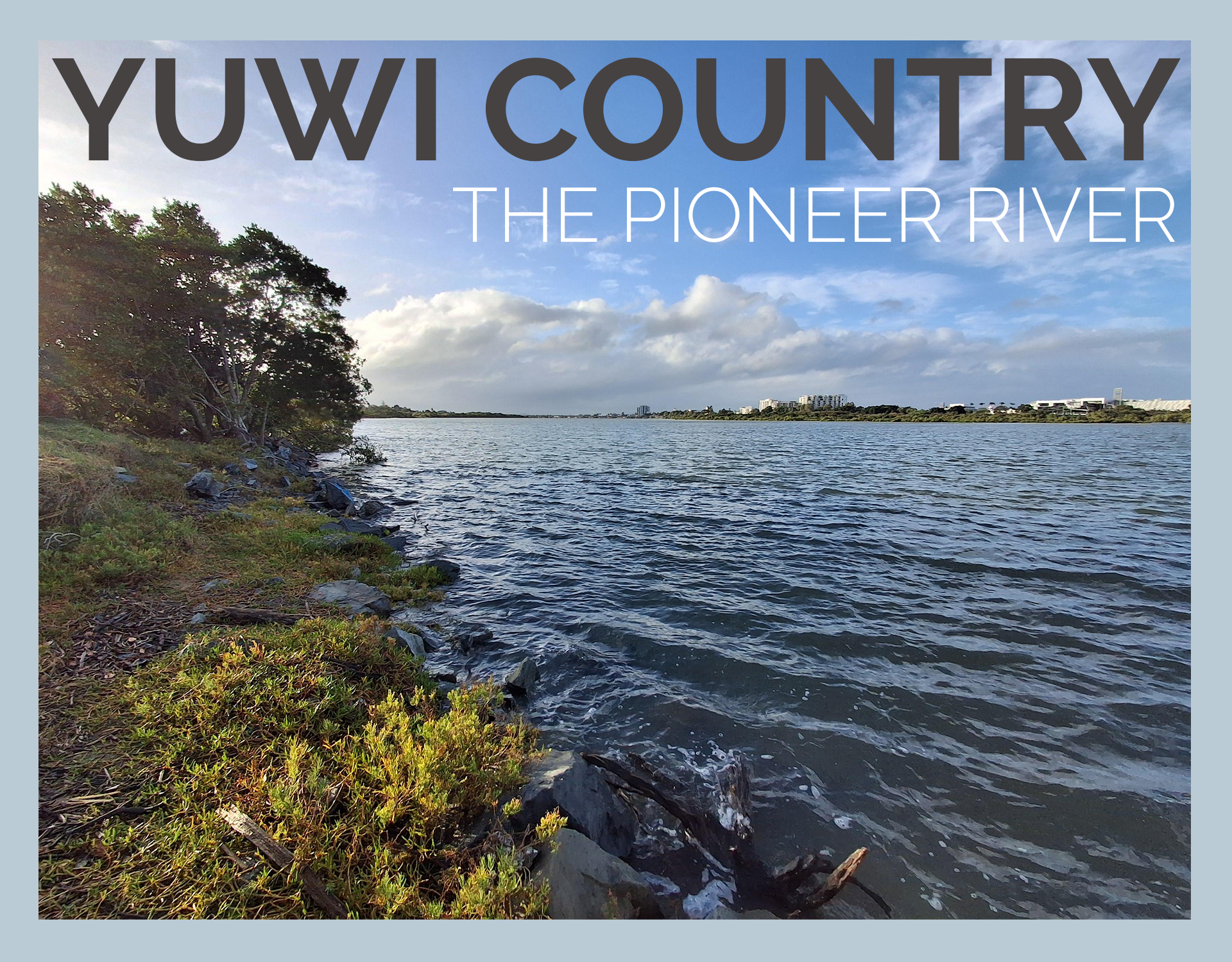
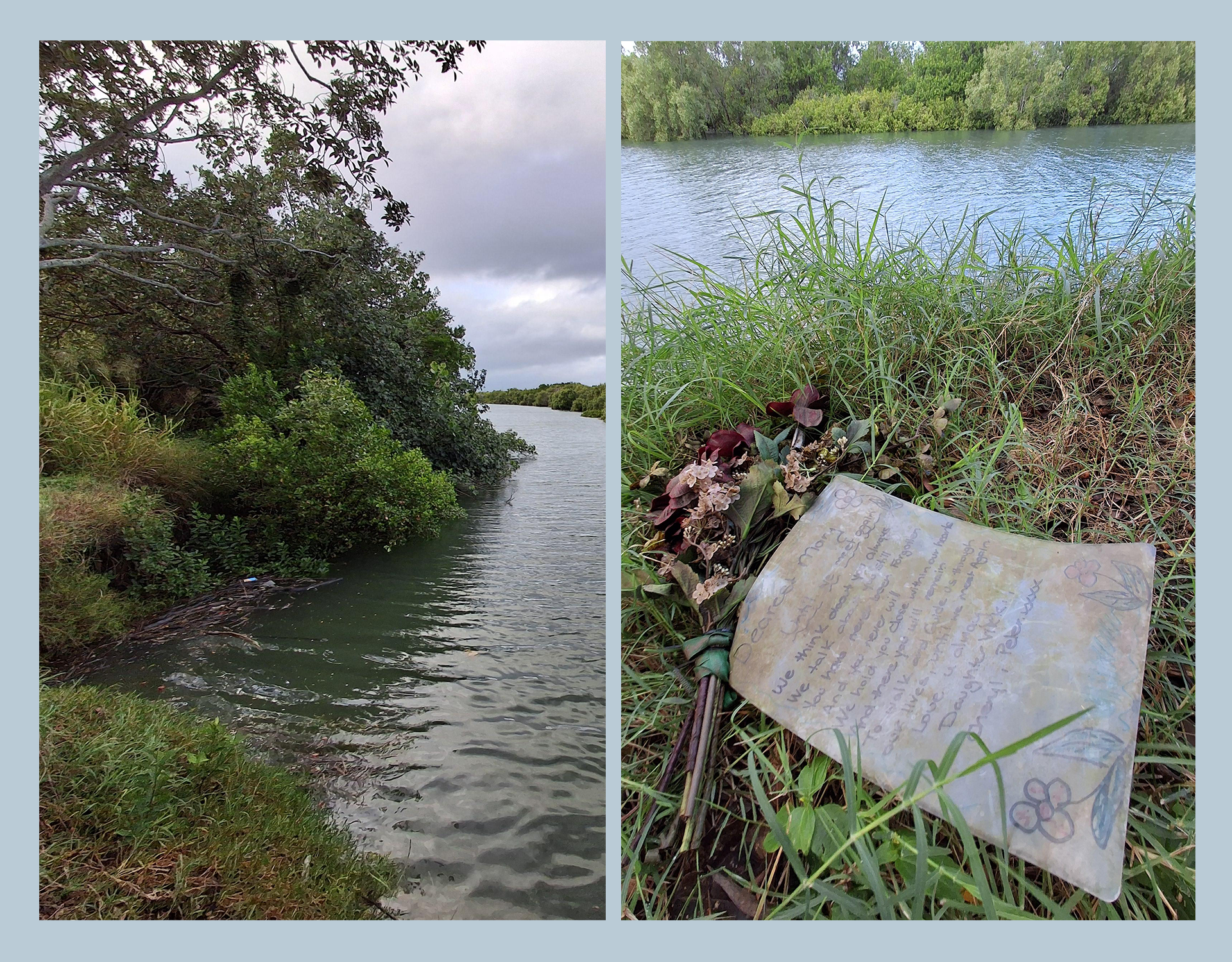
This is the Pioneer River, on Yuwi Country, Mackay. Like many others, it holds incredible memories. It became the place I connected with when our family moved to Marian in 1986. On our first day, my two sisters and I grabbed our pushbikes and explored the four-street town, finding the dirt track to the Marian weir. It became where we met new friends, walked the weir wall when it was dry, swam under the falls when full, and rode the rapids on tractor tubes after rains. During school, our marine studies class spent time on the river learning to drive tinnies.
In my twenties, we moored our catamaran at the east end, and trudged through the sludgy mud when the motor broke down. The memorial pic – just shows what it means for others. ’tis a holder of many memories for many people.
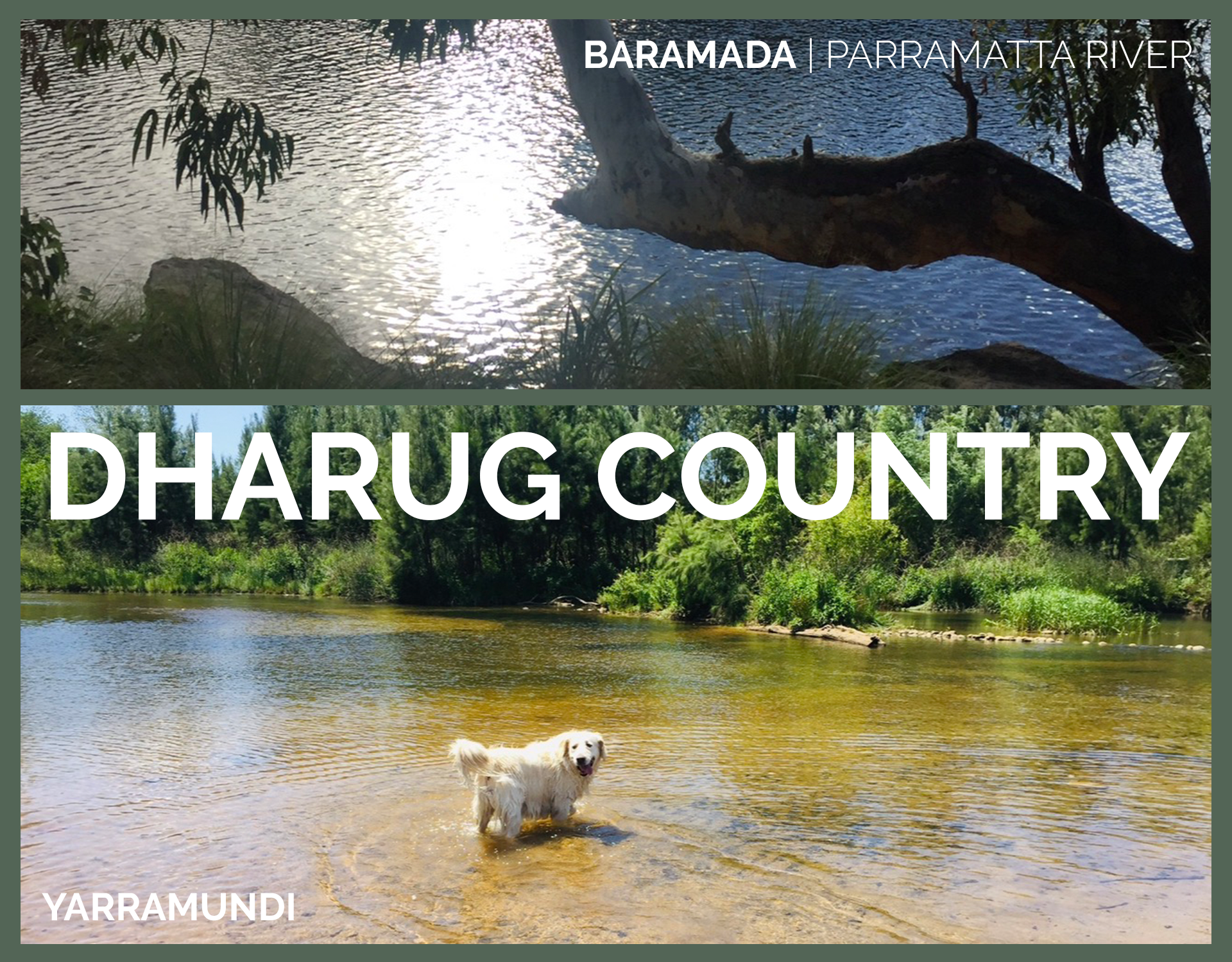
I have always loved being around the waterways on Dharug land. When I did a Walk on Country at St Marys, I learnt so much more about the surrounding rivers from the Elders. They shared cultural stories about the importance of the eel as a significant totem, and how the waterways used to be full of fish. One of the Elders shared a lovely memory of fishing with her grandfather.
Photo with tree is part of Parramatta river – name is derived from the Dharug word Baramada meaning ‘place where the eels lie down’.
Photo with dog: Beautiful spot at Yarramundi named after a doctor/Elder of the Boorooberongal clan of the Dharug people.
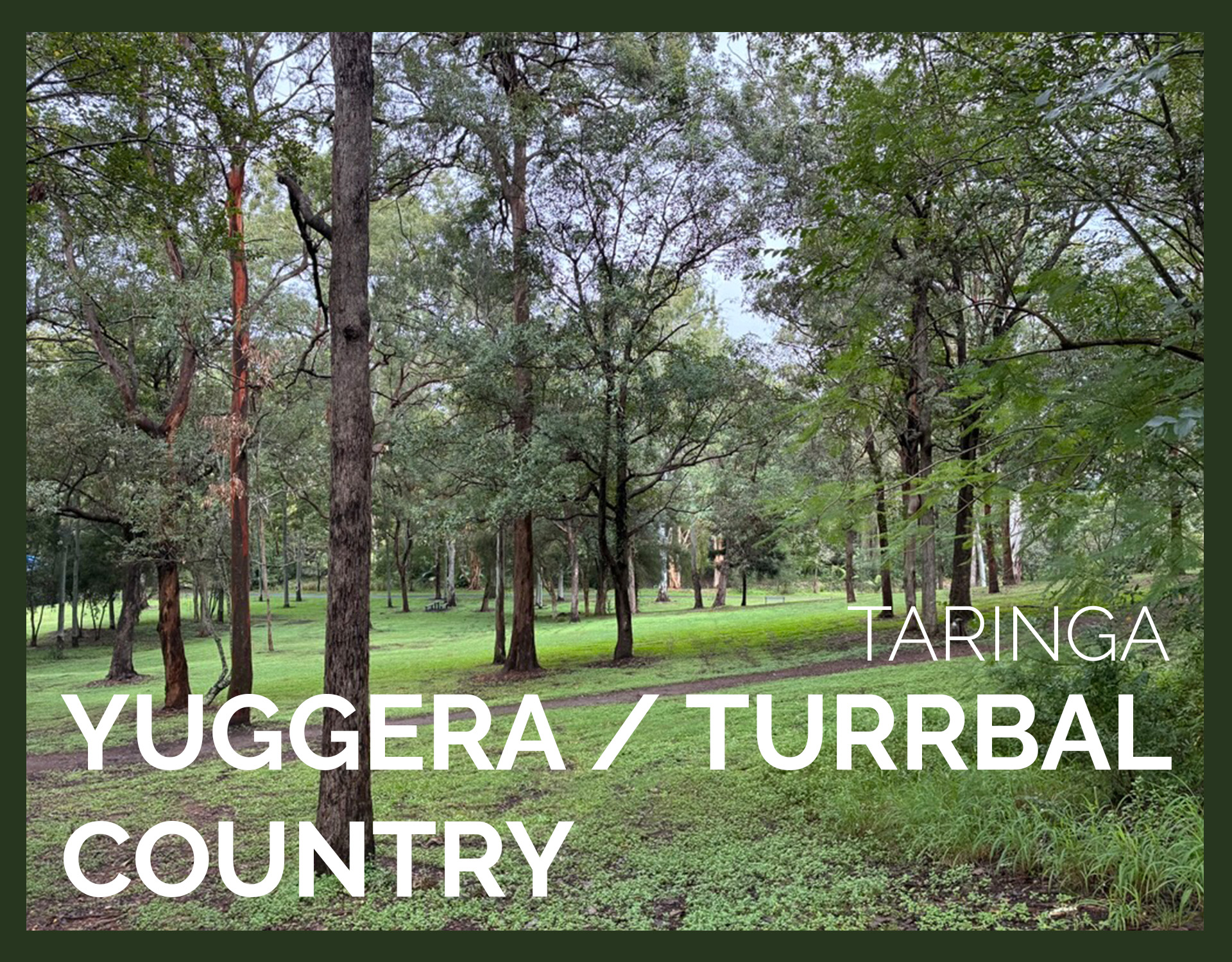
I feel rejuvenated when I do my morning walks along this spot in Taringa.
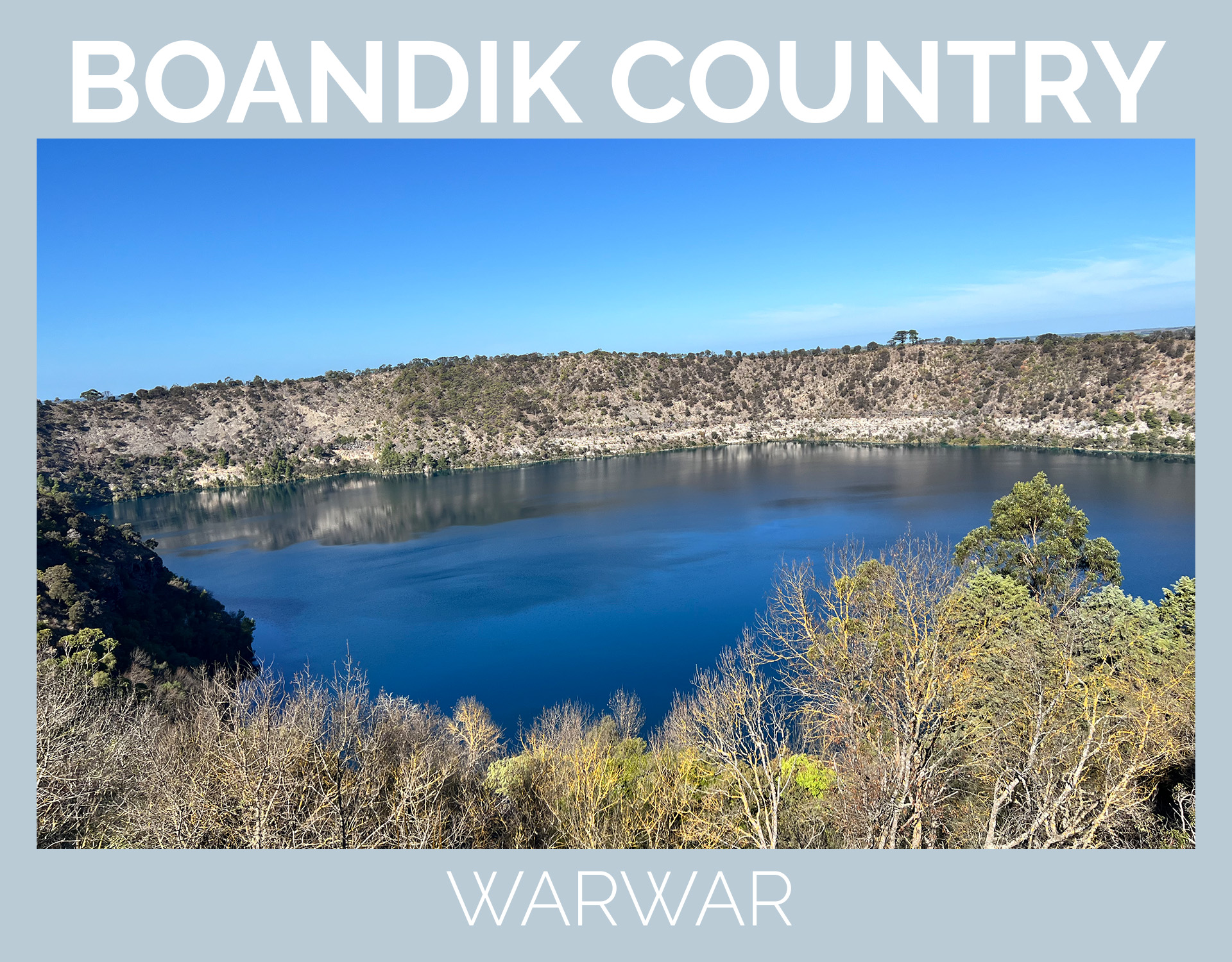
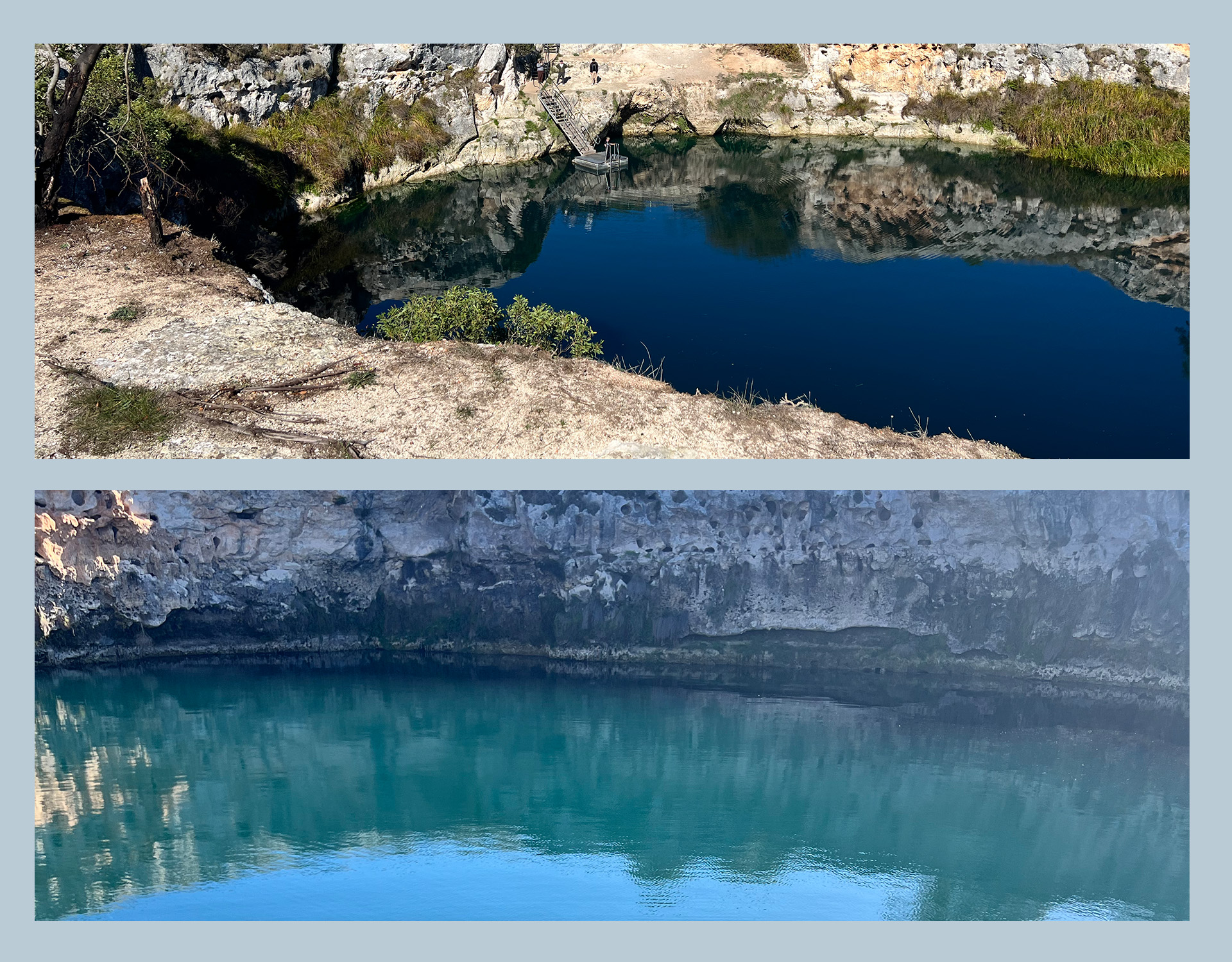
These photos are of the Blue Lake and the Little Blue Lake at Mount Gambier. The Boandik people call it Warwar, which means Crow Country.
They have a Dreamtime story about how the lakes were formed, about a group travelling through the region and the water coming up through the ground. The craters you see now are part of that story.
The water changes colour depending on the season. It’s really beautiful. I could just stand there and look at it all day.
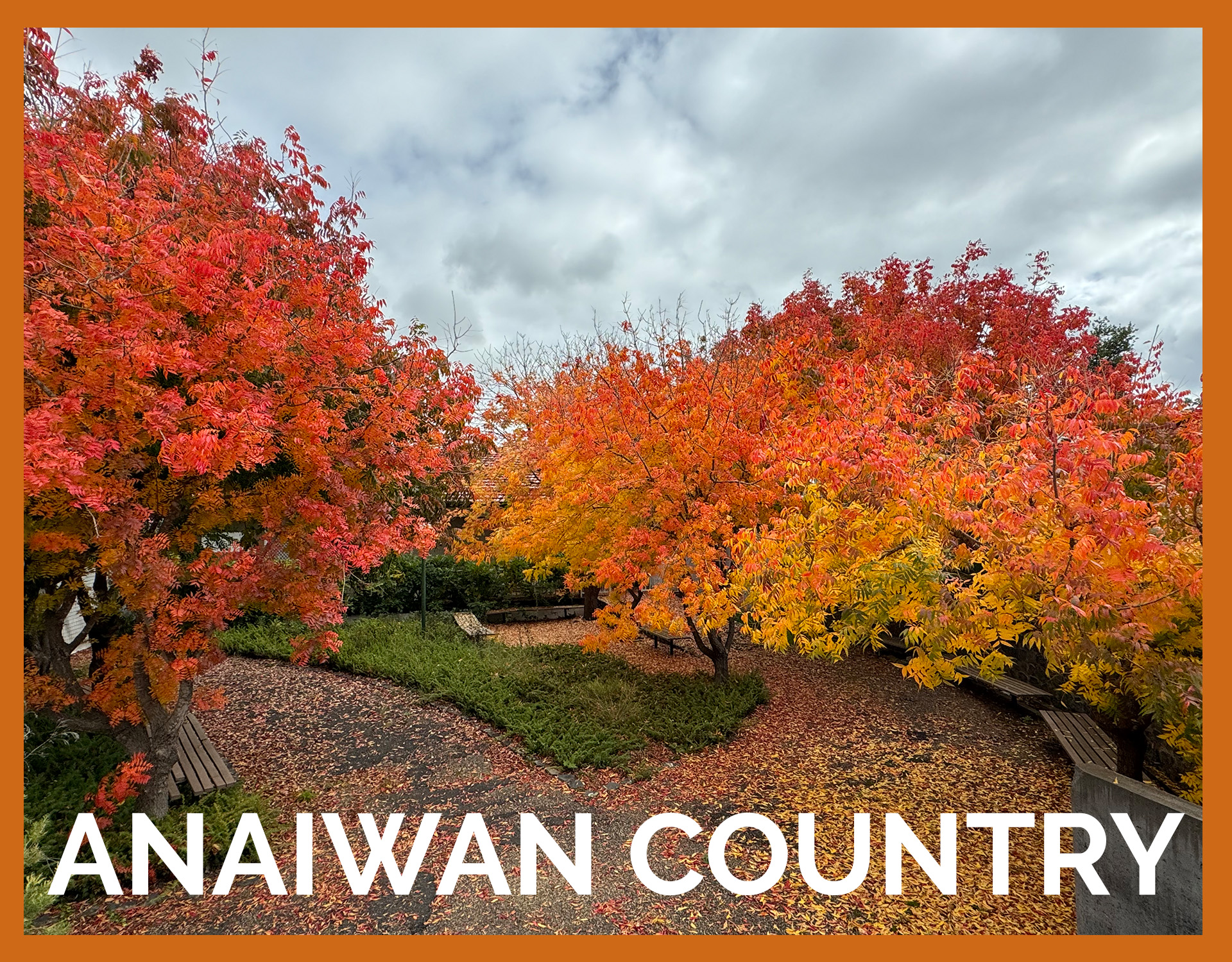
Anaiwan Country, where I grew up and still call home, is at its best in autumn. If you’re thinking of going, come in Autmn, the colours are incredible, especially around places in Armidale, Gostwyck Church and Uralla.
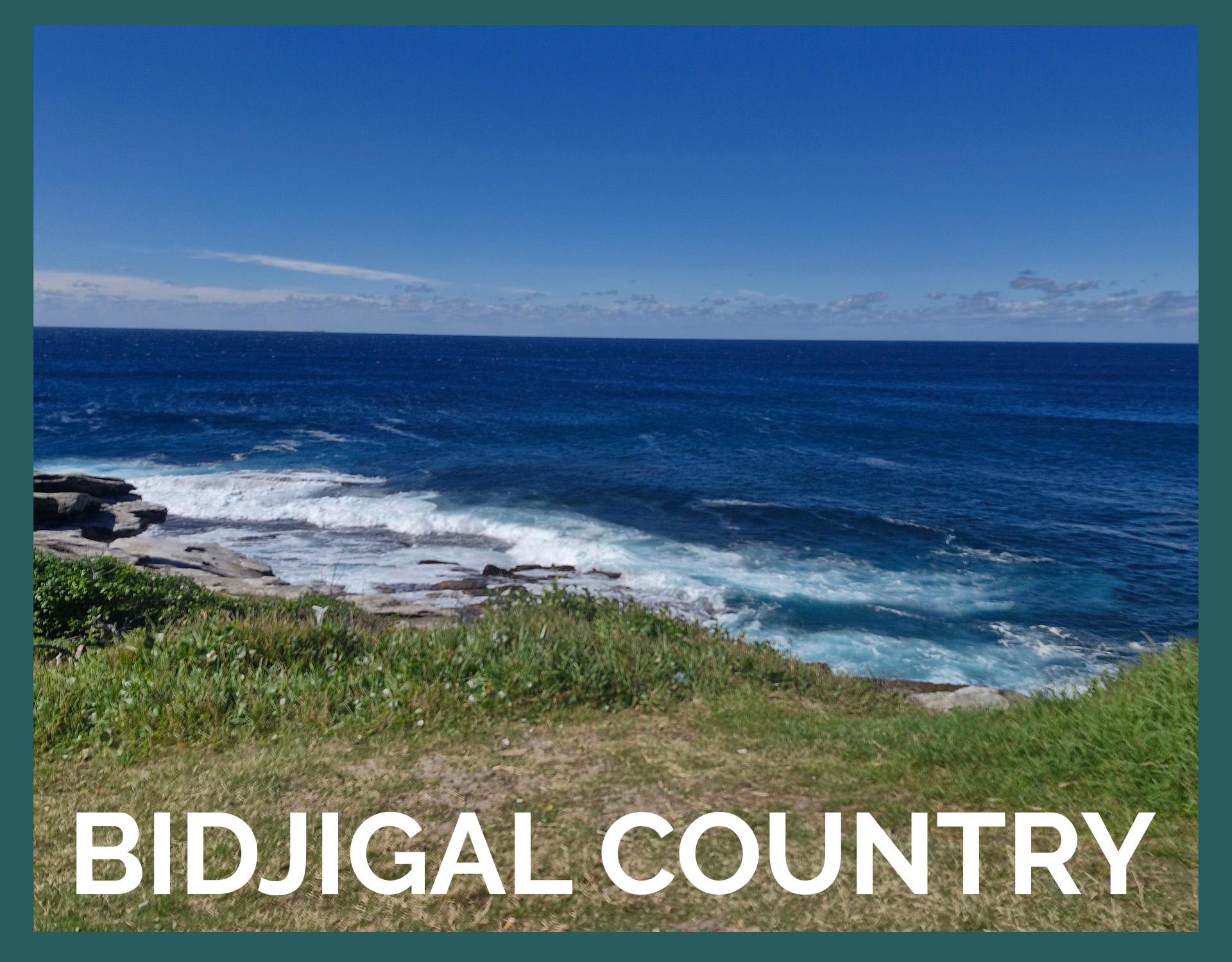
Coming into this I was thinking about place, but more about what reconciliation means and the connections I have. Where I’m connected in Redfern, the Elders and community I spend time with, and also Maroubra Beach, a place I go a lot, just to sit and reflect.
For me it’s about family, community and place.
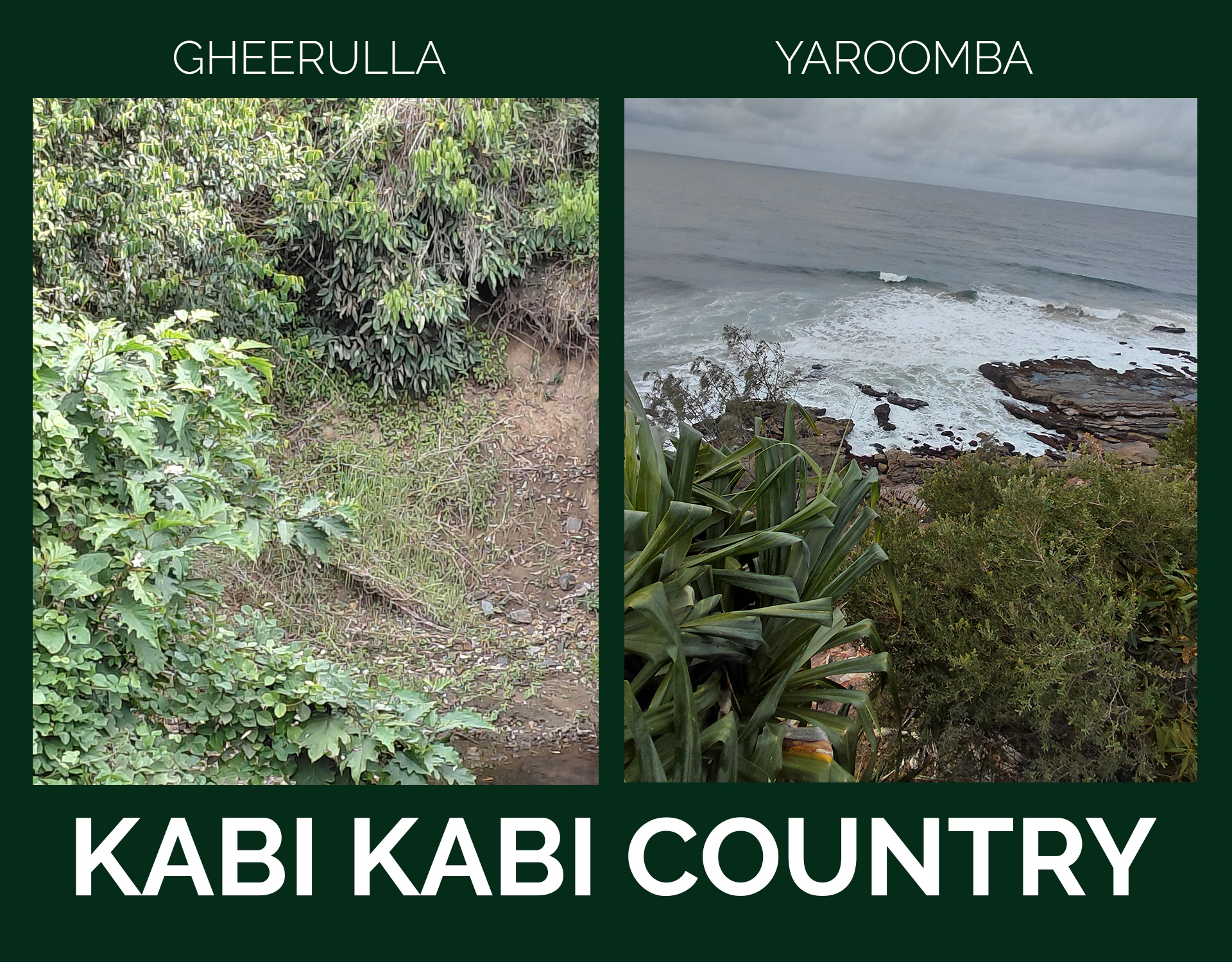
I’m based on Kabi Kabi Country on the Sunshine Coast, where my Mum’s family has lived since about 1880. They arrived at Yandina which means ‘cross water on foot’ – probably a shallow part of the Maroochy River.
This week makes me think of my mum. She was always “All in” for reconciliation, and these places hold a lot of those memories and connections for me.
In preparing for this, I learned the meaning of Cooroy, the place where Mum was born, means possum. Mum grew up in and around Gheerulla, which means dry creek bed. Yaroomba, which means place of big waves, is also a special place for my family.
What sits behind all of this is a shared willingness to listen, to learn, and to stay connected to place, to people, and to the histories that shape us. Reconciliation is not something we step into for a week; it’s something we carry forward, in the way we work, relate and show up every day.
Happy National Reconciliation Week!