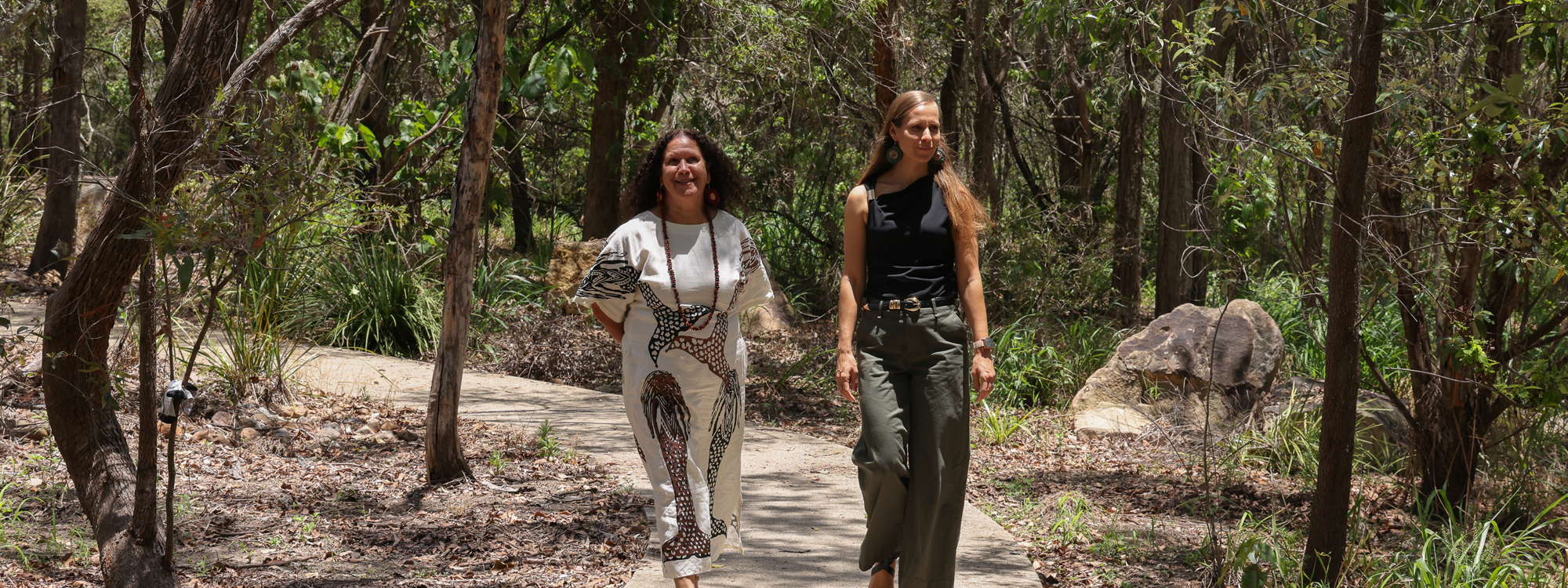
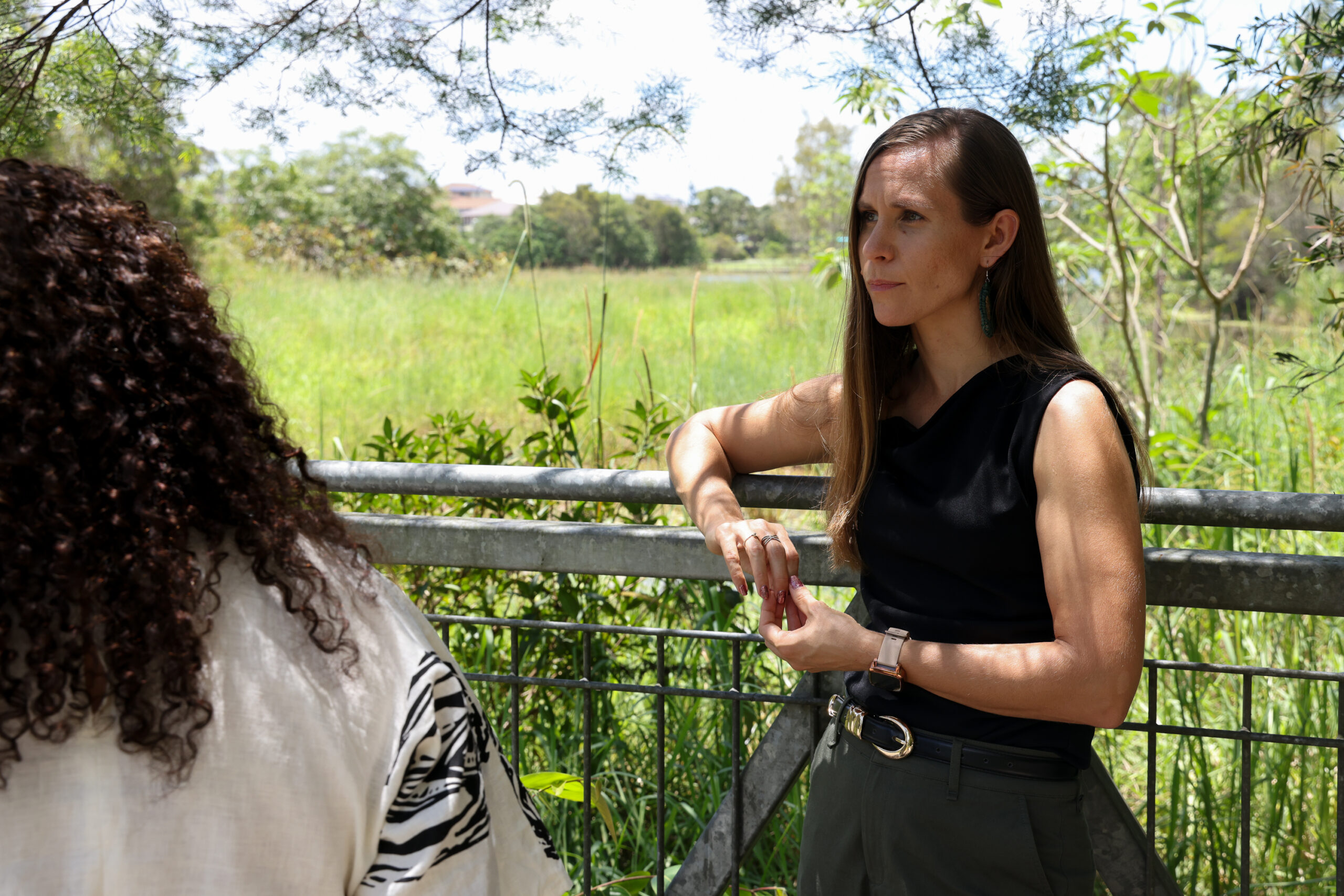
Over the last few months, I’ve been reflecting on what I want my leadership of Murawin to represent, and how I want to contribute to public conversations as CEO.
This isn’t just about developing a thought leadership strategy or deciding what topics to write about. It’s about understanding my why and being able to articulate that to others.
As Murawin evolves into its next chapter, I don’t want our communications to simply focus on projects, achievements or business growth. I want them to communicate what we stand for and the future we’re trying to help build.
The more I’ve reflected on this, the clearer I’ve become about one belief that sits at the centre of everything I care about:
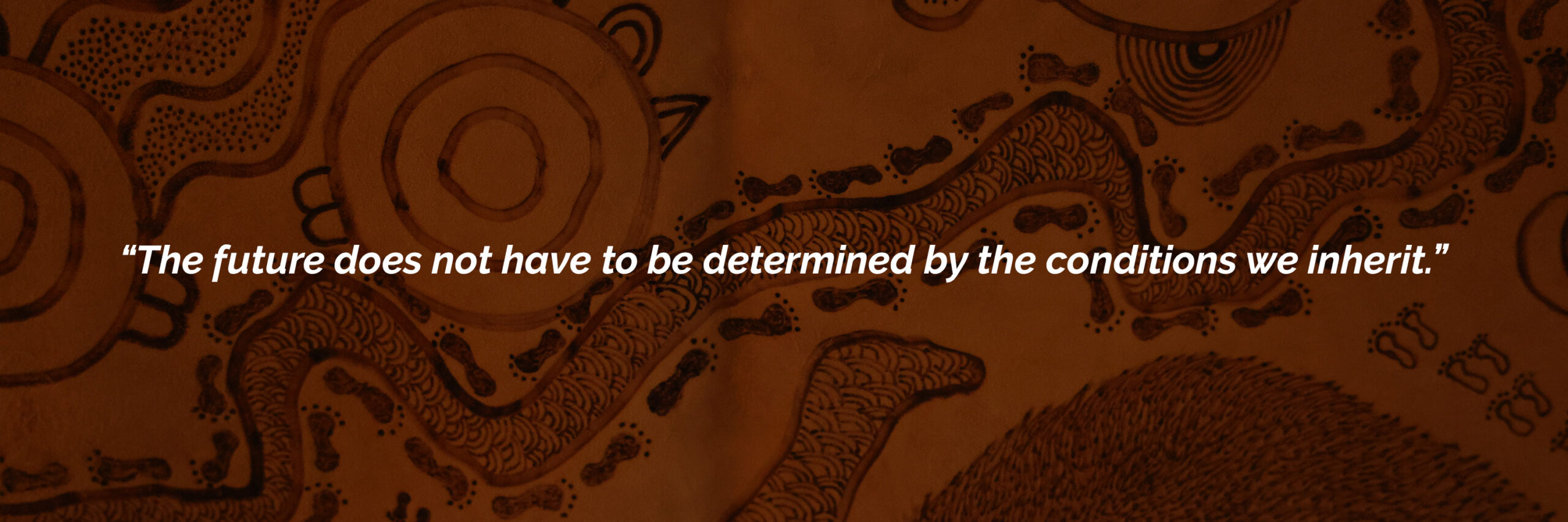
This belief shapes how I think about people, communities, businesses and systems. It shapes how I lead. And it shapes the future I want Murawin to help create.
Understanding My Why
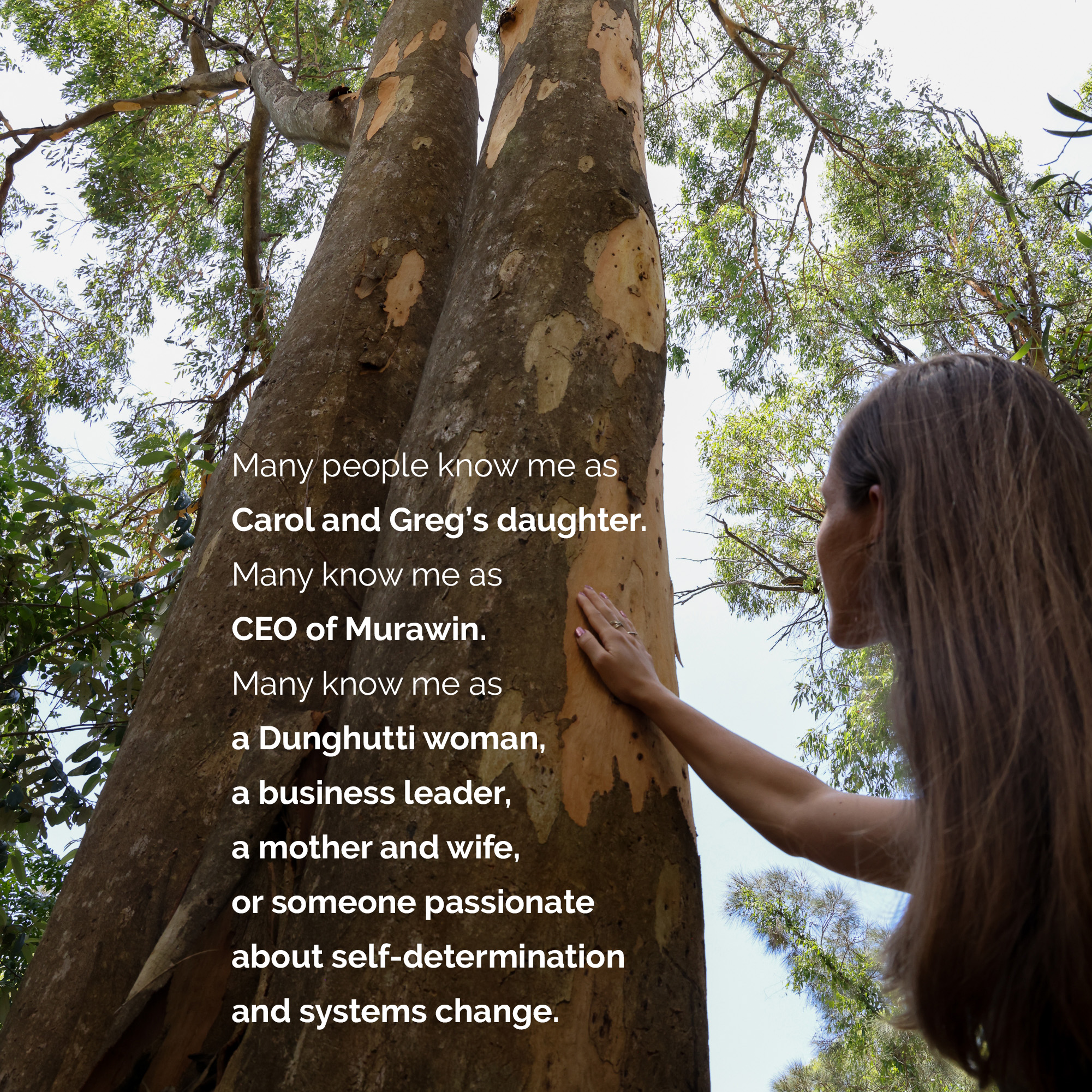
What most people don’t know is the deeper reason these things matter so much to me.
My understanding of leadership comes from living both the impacts of dysfunction and the transformative power of unconditional support. I’ve experienced both.
I’ve seen what happens when people, families and communities are constrained by circumstances beyond their control. poverty, violence, lack of education, crappy health.
I’ve also experienced the incredible impact that one person can have when they genuinely believe in you. For me, one of those people was Greg.
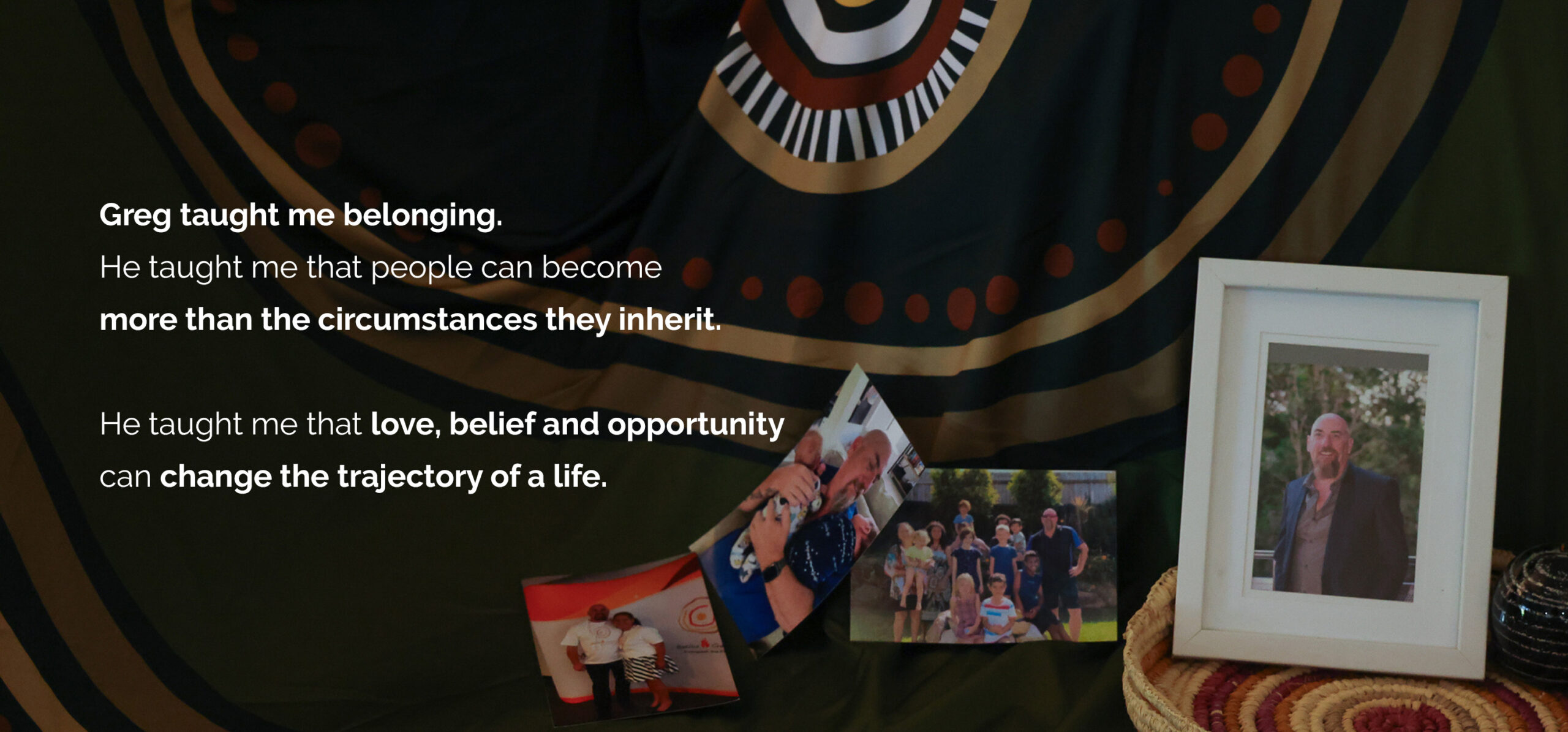
Much of what I value as a leader today comes from that lesson.
If people sometimes wonder why I care so deeply about creating opportunities, backing people, building capability and helping others thrive, the answer is simple:
Because someone did it for me.
From Caretaker to Architect
As I lean into my leadership of Murawin, I’ve been thinking a lot about what it means to carry forward the legacy built by Carol and Greg.
For a long time I shallowly viewed that responsibility as being a custodian. Protecting what had been built. Preserving what existed.
But as I wade deeper into the waters, increasingly I realise that the greatest respect we can show to those who came before us is not preservation.
It is evolution.
The greatest way to honour the people who believed in us is not to spend our lives looking backwards at what they gave us. It is to use what they gave us to build something they never got to see. That is how I think about leadership. That is how I think about Murawin.
I am simultaneously a steward of a thriving business, custodian of a legacy, and an architect of a future. Our family business stands at that intersection within the Indigenous Business Sector, boxed in by a Western, outdated economy. My goal as Murawin’s CEO is to keep us propelling forward through that.
A Question That Keeps Returning
As I think about our work, one question continually returns.
This question sits underneath almost everything Murawin does.
It sits underneath conversations about self-determination.
It sits underneath evaluation.
It sits underneath Indigenous procurement.
It sits underneath economic participation.
It sits underneath community engagement.
It sits underneath policy reform.
And it sits underneath leadership.
Because ultimately, these yarns are not just about inclusion. They are about design.
For decades, much of the work of First Nations advocacy focused on access. Getting a seat at the table. Being included in decisions. Being recognised. That work mattered. It still matters.
But I believe our generation, second generation business leaders, are now being called to ask a different question.
The first generation said:
Let us in.
Our generation says:
Let us decide.
The generation after that might say:
Let us build.
That shift is profound. It’s the difference between participating in a system and creating one.
Who Designed The Room?
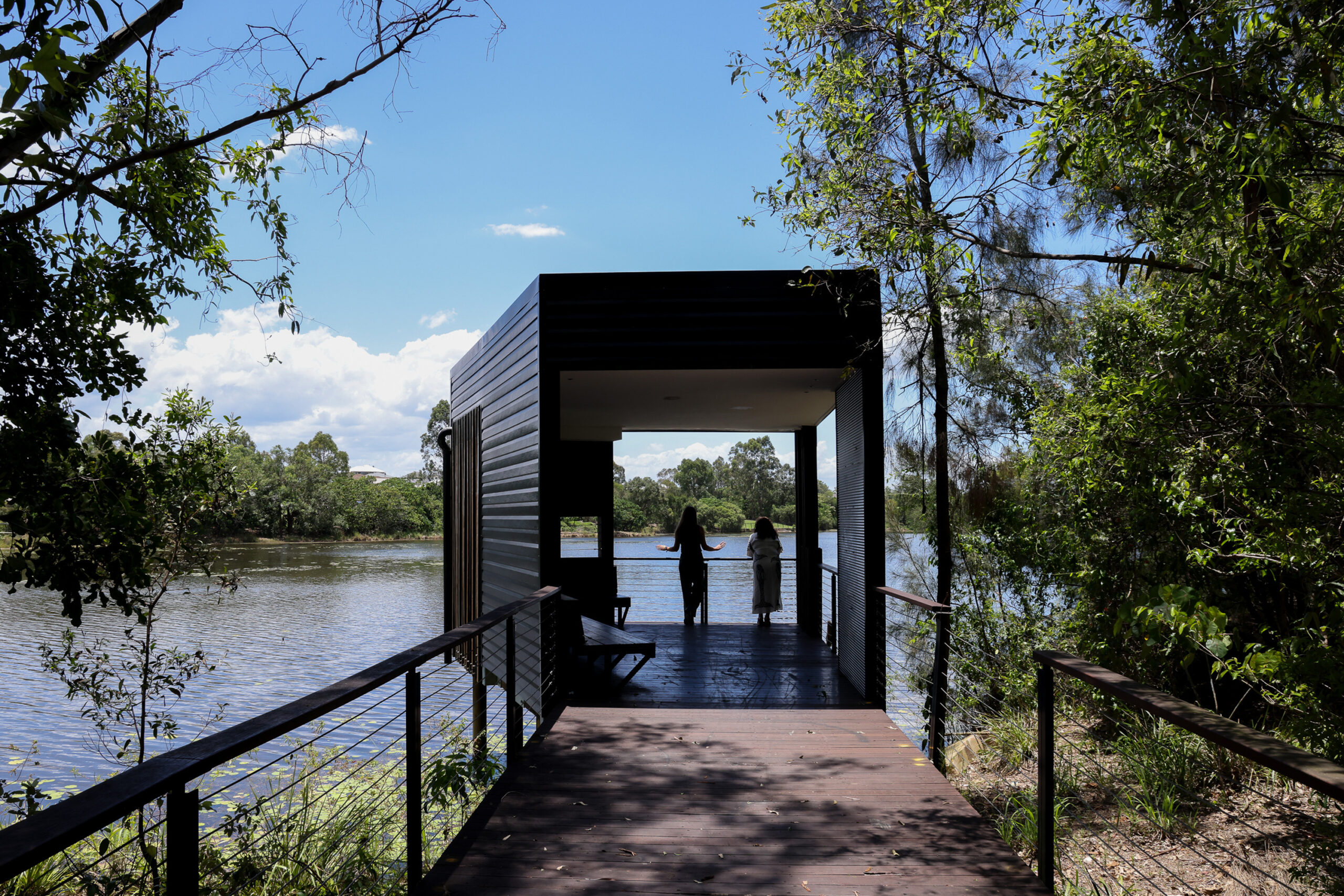
One of the ideas I want to explore publicly over the coming years is a simple question:
Who designed the box?
Who designed the systems we work within?
Who determines success?
Who writes the rules?
Who benefits from the outcomes?
And perhaps most importantly:
What would it look like if we designed it ourselves?
What would an Indigenous-designed economy look like?
What would Indigenous-designed procurement look like?
What would Indigenous-designed evaluation look like?
What would Indigenous-designed systems of leadership and governance look like?
These are the conversations that excite me. These are the yarns I believe Murawin is uniquely placed to facilitate.
The Future We Are Building
My hope is that Murawin’s next chapter contributes to something bigger than individual projects or individual clients. I want us to contribute to creating the conditions where First Nations people, communities and businesses can thrive on our own terms. Not because of charity or of inclusion, but because we have the capability, knowledge, leadership and vision to shape our own futures.
For me, this is deeply personal. But it is also much bigger than me. It’s about future generations.
It’s about ensuring that the opportunities available to our children are not constrained by the conditions they inherit.
And I believe the most powerful thing we can do as leaders is help create the conditions for others to realise that too.
That is the foundation I would like all Murawin’s thought leadership, storytelling and positioning work to build from:
I, as CEO of Murawin, stand for creating the conditions where First Nations people, communities and businesses can thrive on their own terms, because the future should never be limited by the circumstances we inherit.